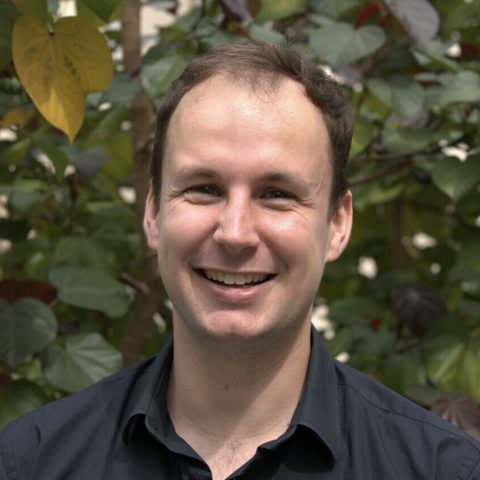
Dr David Sweeney
Commercialisation Lead
Wren Sensing is developing an optical platform for methane, carbon dioxide and ethylene sensing. Our focus is on demanding measurement problems and the development work needed to assess sensing in practical applications.
Current stage: field testing
Methane and carbon dioxide: on-farm livestock field trials. Ethylene: controlled atmosphere fruit storage target.
For decades, miners relied on canaries to warn them of carbon monoxide. Our name comes from another small bird, the Australian fairy-wren, always alert to its surroundings. We are bringing that idea of a small, quiet observer to modern optical sensing, starting with methane and carbon dioxide in agriculture and with ethylene in fruit storage.
We aim to make specialised sensing useful by connecting scientific development to a clear measurement need: what gas needs to be measured, under which conditions and what the result needs to establish.
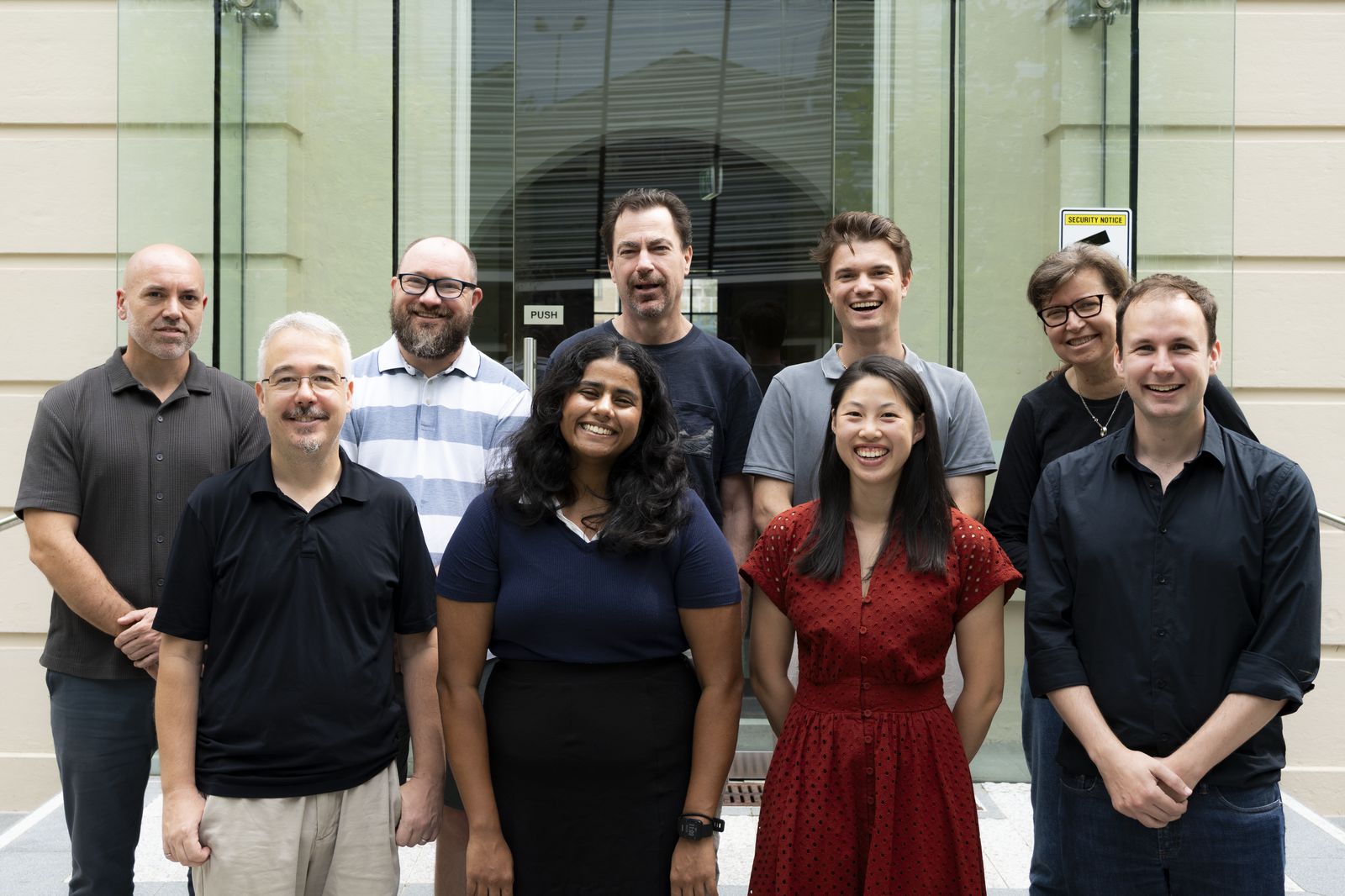
The people developing Wren Sensing.
Commercialisation Lead
Engineering Lead

Data Analysis Lead
Engineer

Scientist
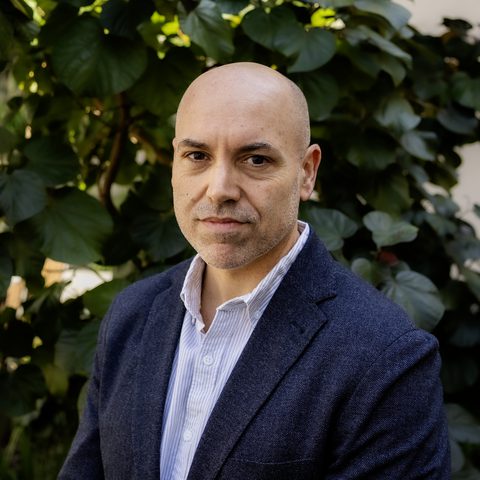
Advisor
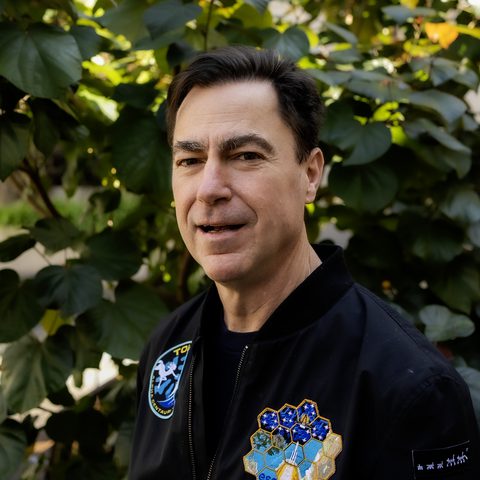
Advisor
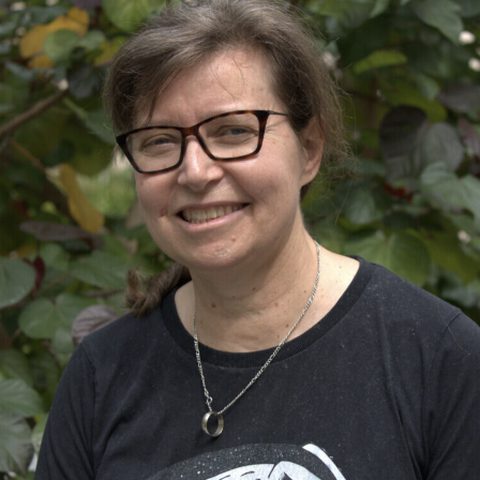
Advisor

Advisor
Organisations involved in our research and development.




Our sensor technology is powered by University of Sydney research into fibre Bragg grating optical methods.
Each sensor is tested automatically against calibrated gas canisters, and we run selectivity tests with interfering gases present. Our on-farm field trials involve cattle and sheep.
We welcome funded joint development, technology integration and research evaluation.
A collaboration begins with the measurement problem, a review of technical fit and evidence, then an agreed project scope where there is a fit.
Bring a gas measurement problem, a proposed integration or a research question with a relevant test setting. A short outline without confidential details is enough to begin.
For licensing, company investment or another enquiry, contact the team.